Ziziphus jujuba


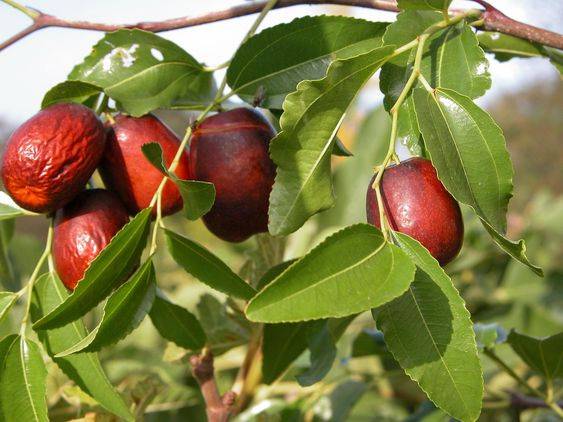
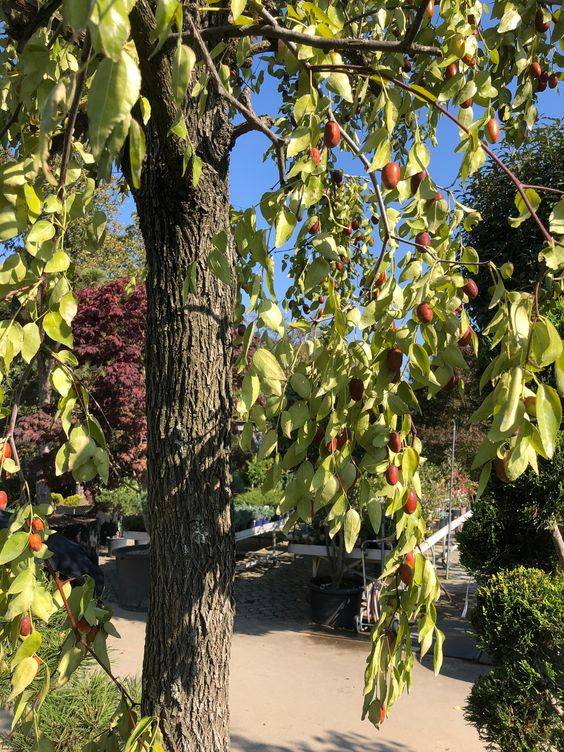
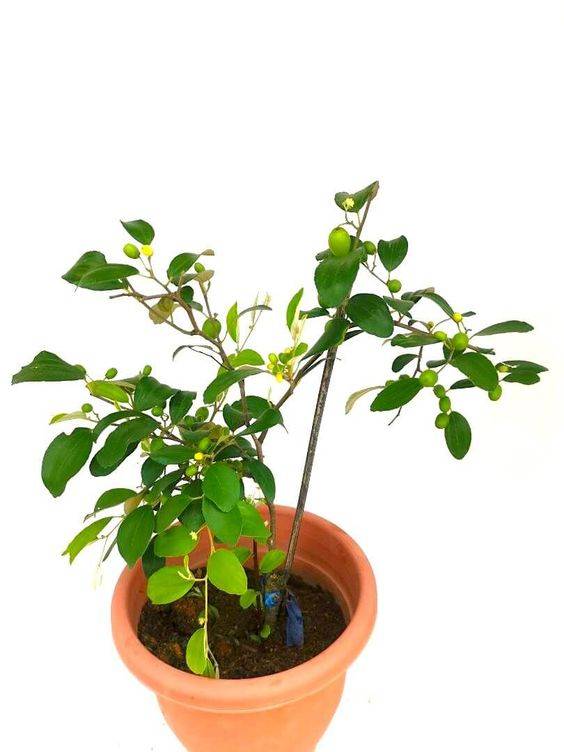
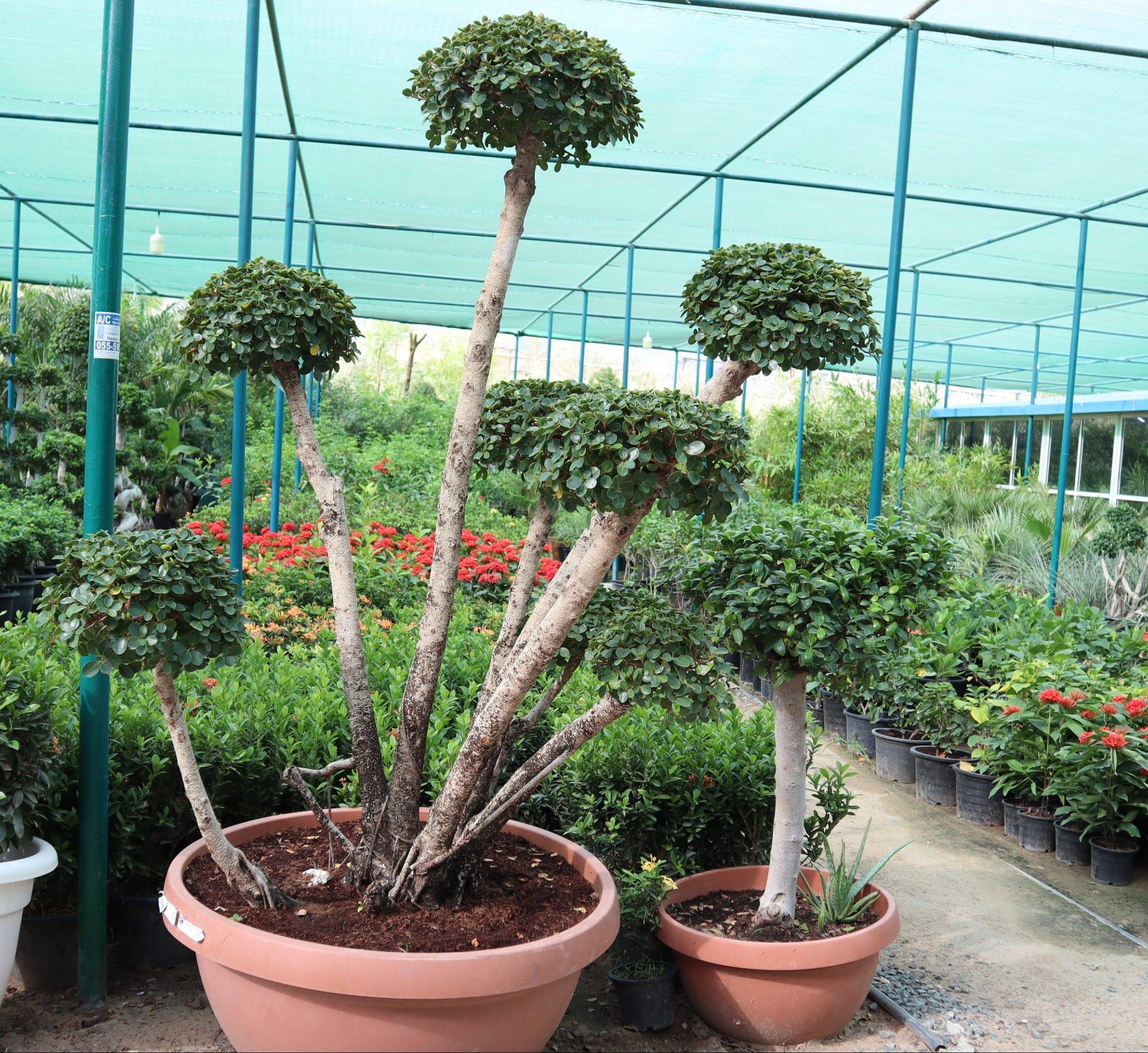
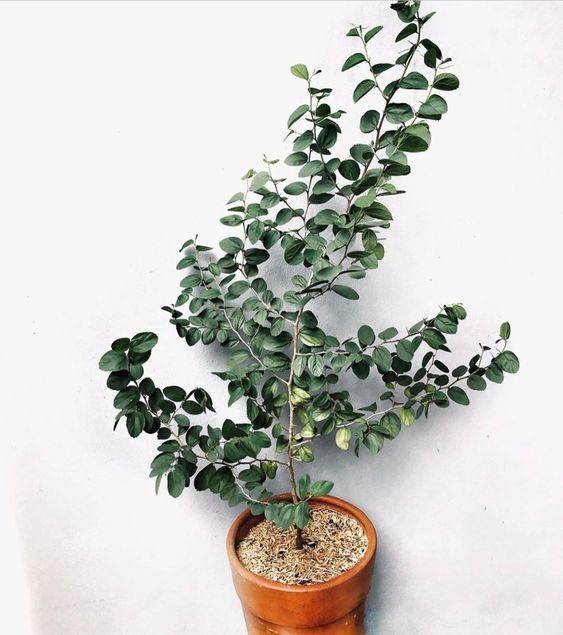
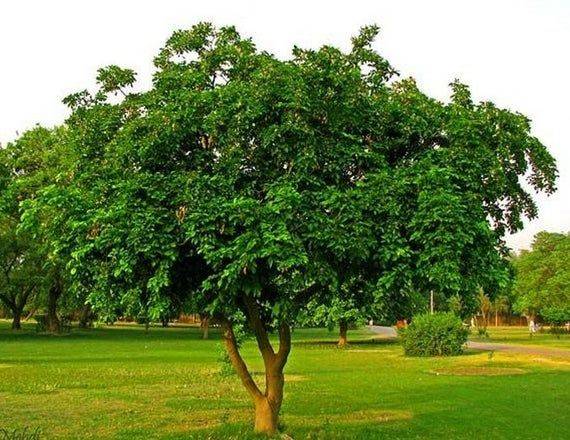
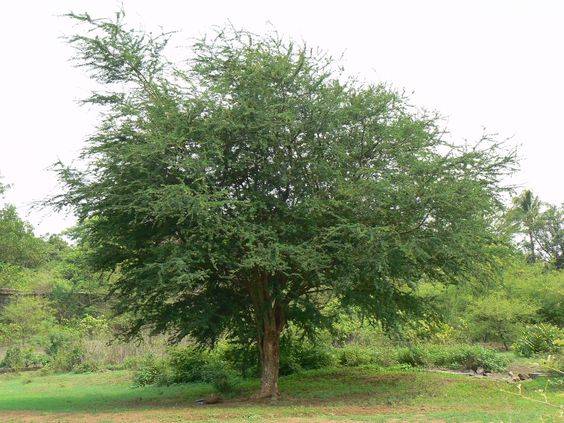
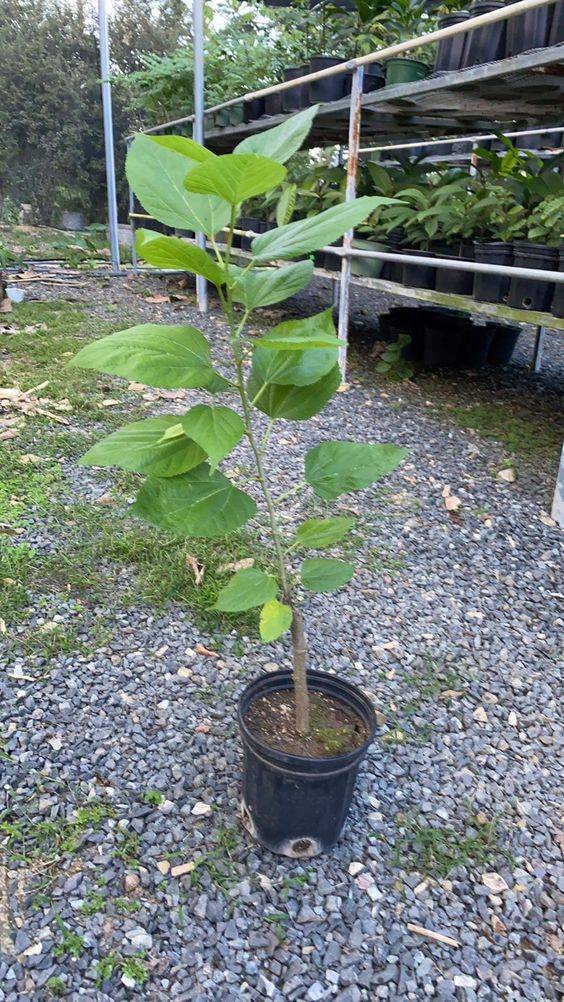
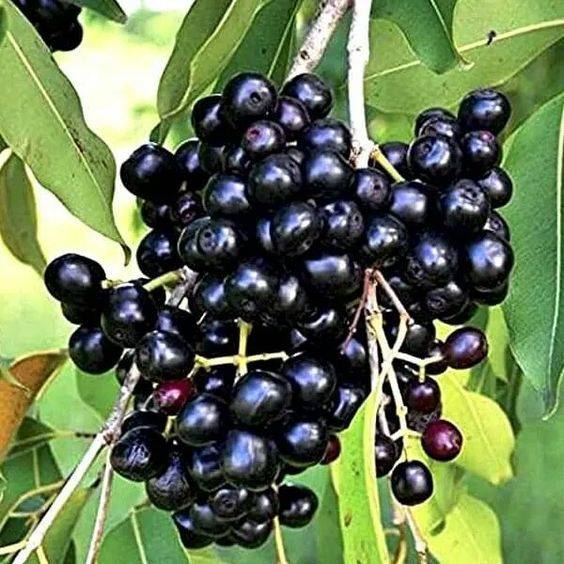
Ziziphus jujuba, commonly known as jujube, is a small deciduous tree or large shrub that can grow up to 15-30 feet tall. The tree is native to southeastern Europe to China and has shiny-green, ovate-acute leaves that are 2–7 centimeters long and 1–3 centimeters wide with three conspicuous veins at the base and a finely toothed margin. The flowers are small, 5 millimeters wide, with five inconspicuous yellowish-green petals. The fruit is an edible oval drupe 1.5–3 centimeters deep; when immature, it is smooth-green, with the consistency and taste of an apple with lower acidity, maturing brown to purplish-black, and eventually wrinkled, looking like a small date. Jujubes are a low-calorie fruit that is an excellent source of iron, potassium, vitamin C, proteins, carbohydrates, and magnesium. They are also a rich source of antioxidants, calcium, phosphorus, and flavonoids. Calamondins are a low-calorie fruit that is an excellent source of iron, potassium, vitamin C, proteins, carbohydrates, and magnesium. They are also a rich source of antioxidants, calcium, phosphorus, and flavonoids Ziziphus jujuba is a small deciduous tree or large shrub that can grow up to 15-30 feet tall. The fruit is an edible oval drupe 1.5–3 centimeters deep; when immature, it is smooth-green, with the consistency and taste of an apple with lower acidity, maturing brown to purplish-black, and eventually wrinkled, looking like a small date. Jujubes are a great source of nutrients, minerals, and vitamins. They are particularly high in vitamin C and provide essential compounds that strengthen the immune system and provide antioxidants to the body. Besides vitamin C, jujubes also contain potassium, iron, calcium, magnesium, and vitamins A, B2, and B6.
Create the ideal environment: Jujube trees thrive in warm, sunny climates. They require full sun exposure and well-drained soils with a pH range of 6.0 to 7.0. The tree is sensitive to cold temperatures and thrives in warm, moist climates.
Plant the tree: Plant your jujube tree in a location that receives at least 8 hours of sunlight daily year-round and that never drops below 41 to 44 °F (5 to 7 °C). If you live in a colder climate, grow your jujube tree indoors during the colder months. Once temperatures begin dropping and frost starts appearing on the ground, bring your jujube tree indoors to a sunroom, a patio, a greenhouse, or some other room that will still allow it to receive abundant sunlight.
Fertilize and water the tree: Jujube trees require regular watering and fertilization. Water your tree thoroughly once per week during the growing season (spring through fall), allowing soil to partially drain in between. Use a balanced fertilizer to help the tree produce more fruit.
Harvest and prune: Once your jujube tree is 3 to 4 years old, you should be able to harvest anywhere from 40 to 100 fruits every year! Pick fruits once they are firm and ripe. Prune your jujube tree from time to time if you find it’s getting unruly or too large.
Here are some step-by-step instructions for caring for your Ziziphus jujuba tree:
Review
Related products













Contact Info
- Address: Love gardens LLC , nursery warsan 3, Dubai
- Phone: +971 554899462
- Email: [email protected]