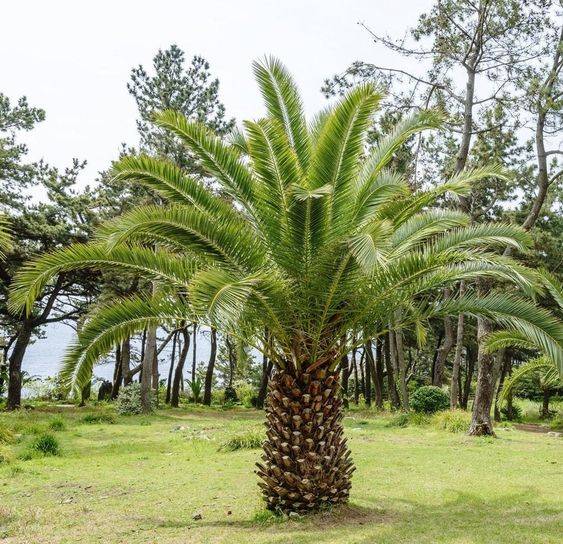
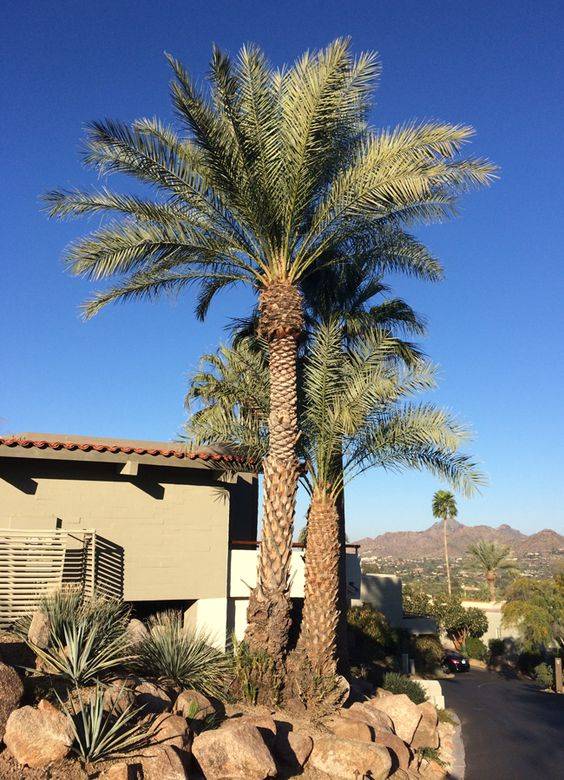
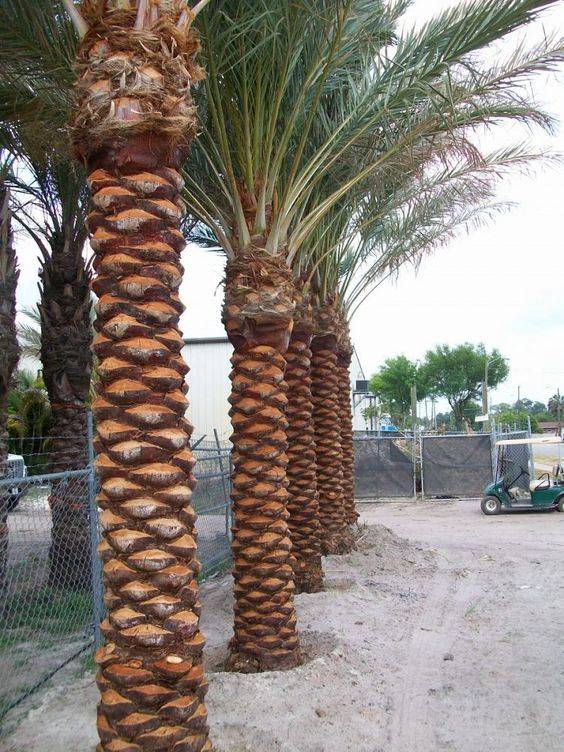
Phoenix dactylifera (Date Palm)
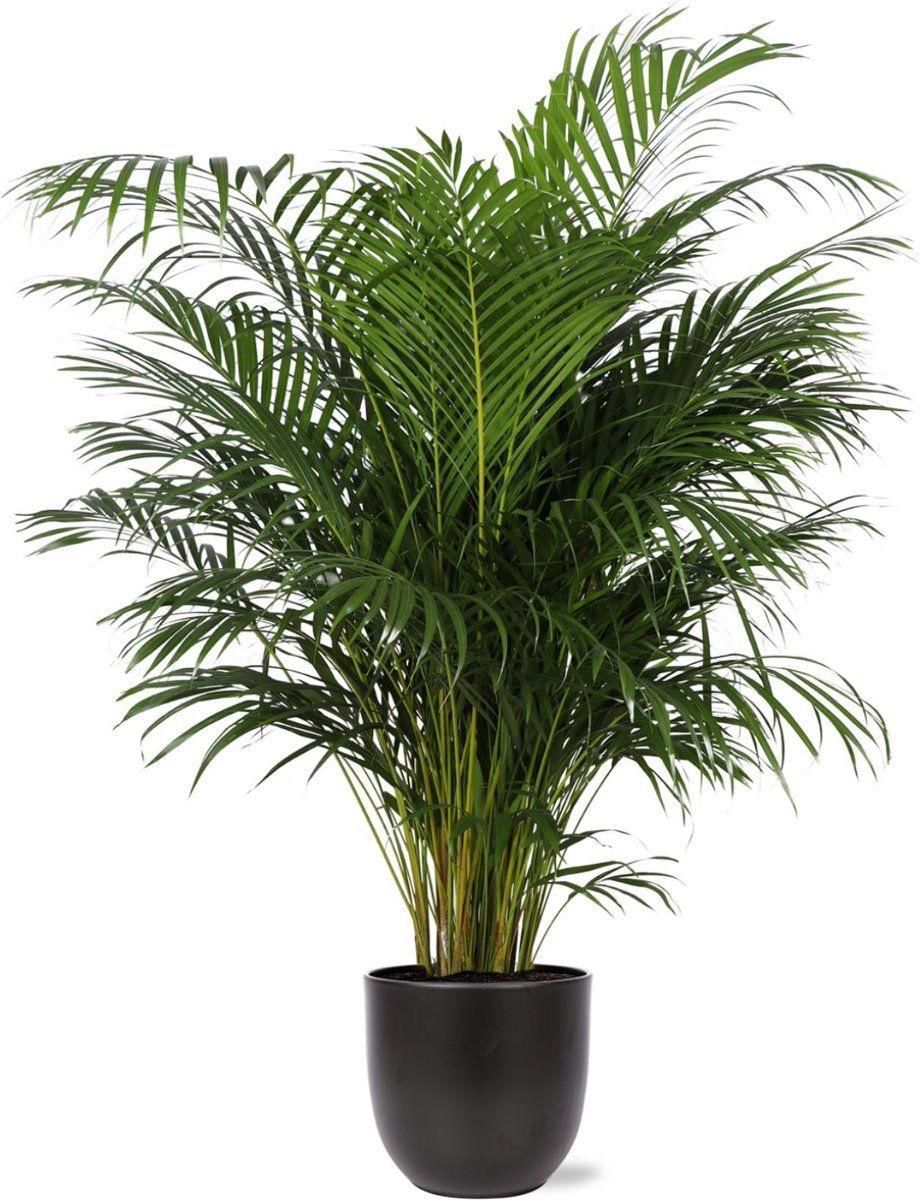
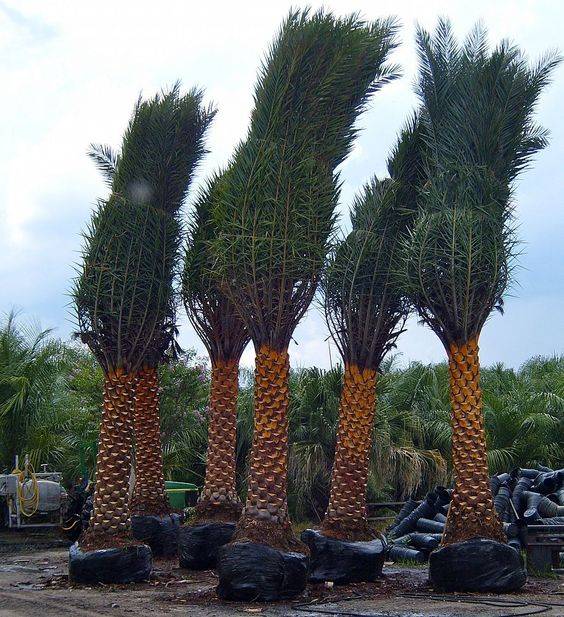
Phoenix dactylifera, commonly known as the date palm, is a species of flowering plant in the family Arecaceae. It is native to the Middle East and North Africa and is widely cultivated for its edible sweet fruit called dates. The plant has a single trunk and can grow up to 30 meters in height, with a crown of 100-120 gracefully arching, feather-like fronds that can reach 10-16 feet in length. Phoenix dactylifera has many uses and benefits. The plant is mainly used for its edible fruits and as a source of timber. It is also used as an ornamental plant in gardens and parks. Date fruits are oval-cylindrical, 3 to 7 centimeters long, and about 2.5 cm in diameter, with color ranging from dark brown to bright red or yellow, depending on variety. Containing 61–68 percent sugar by mass when dried, dates are very sweet and are enjoyed as desserts on their own or within confections. Phoenix dactylifera is an easy-to-care-for plant that requires regular watering and fertilization during the growing season. It prefers full sun exposure and well-draining soil that is rich in organic matter. The plant can be propagated from seeds or by dividing offshoots that grow at the base of the parent plant. NOTE: These Price are not included crane and transportation charges for heavy palms
- Watering: Phoenix dactylifera prefers moist, well-drained soil. Water the plant regularly during the growing season, but avoid overwatering as it can lead to root rot.
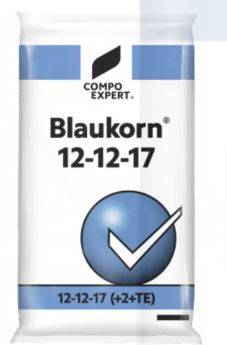
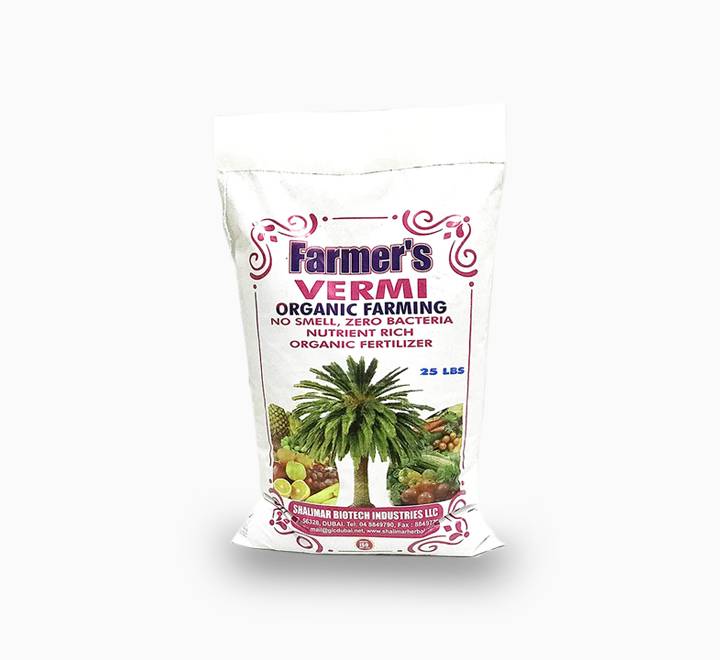
- Fertilization: Phoenix dactylifera benefits from regular fertilization during the growing season. Use a balanced fertilizer with a ratio of 10-10-10, and apply it every 2-3 months.
- Light: Phoenix dactylifera prefers full sun exposure but can tolerate some shade.
- Soil: Phoenix dactylifera prefers well-draining soil that is rich in organic matter. It can tolerate slightly acidic to slightly alkaline soil pH.
- Propagation: Phoenix dactylifera can be propagated from seeds or by dividing offshoots that grow at the base of the parent plant. Propagation from seeds is the most common method, and it is relatively easy to do.
Here are some step-by-step instructions for caring for Phoenix dactylifera:
Review
Related products







Contact Info
- Address: Love gardens LLC , nursery warsan 3, Dubai
- Phone: +971 554899462
- Email: [email protected]