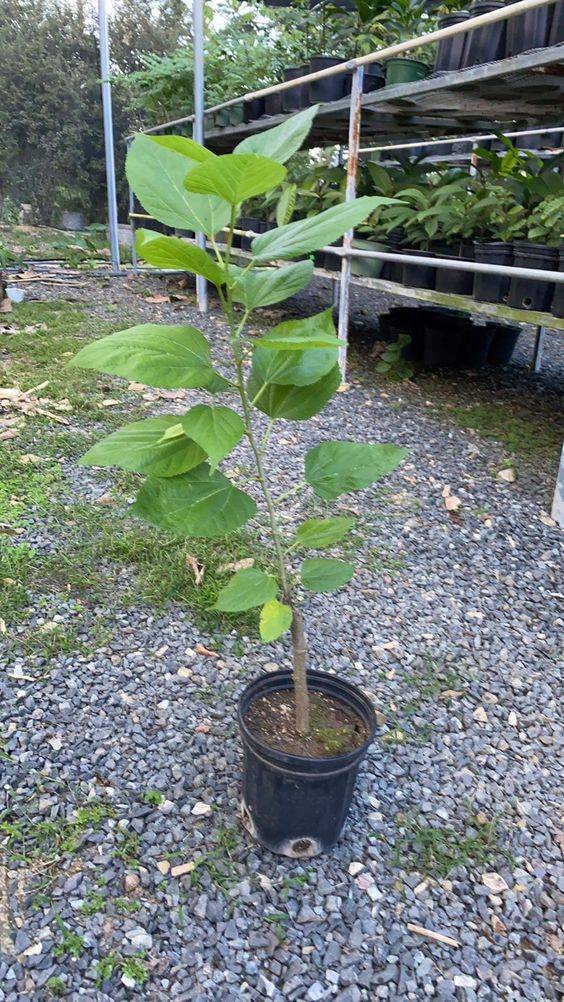
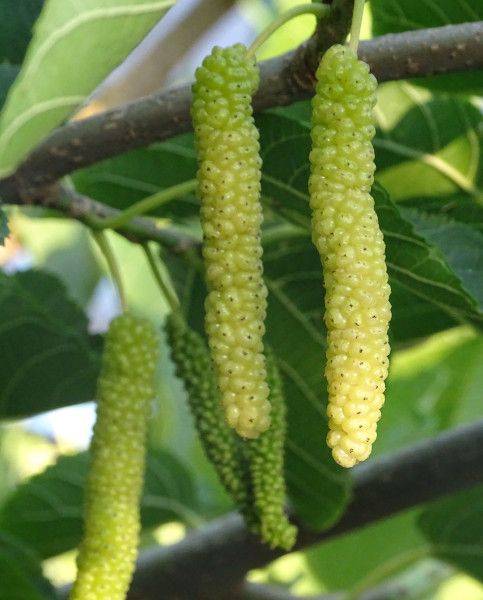
Morus alba (Mulberry Tree)




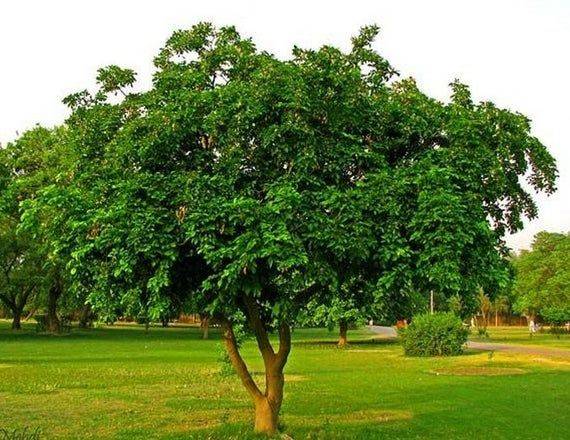
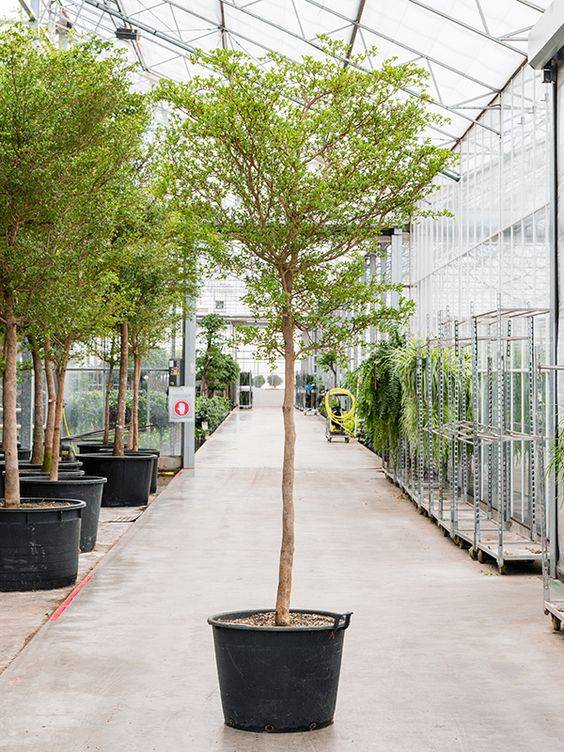
Morus alba, commonly known as white mulberry, is a fast-growing, small to medium-sized mulberry tree that grows up to 10-20 meters tall. It is a deciduous tree with a wide-spreading crown and a lifespan comparable to that of humans. The fruit of the white mulberry is sweet but bland, unlike the more intense flavor of the red mulberry and black mulberry. The leaves of this tree have been used in China since at least 2600 B.C. as the primary diet for silkworms used to make silk. The white mulberry is scientifically notable for the rapid plant movement involved in pollen release from its catkins. The stamens act as catapults, releasing stored elastic energy in just 25 μs. The resulting movement is approximately 380 miles per hour (610 km/h), about half the speed of sound, making it the fastest known movement in the plant kingdom.
Mulberry trees are deciduous trees that require full sun exposure and well-drained soils. They require regular watering and fertilization, especially during the flowering and fruiting stages. Pruning is also important to keep the tree healthy and productive.
Review
Related products




































































































































Contact Info
- Address: Love gardens LLC , nursery warsan 3, Dubai
- Phone: +971 554899462
- Email: [email protected]