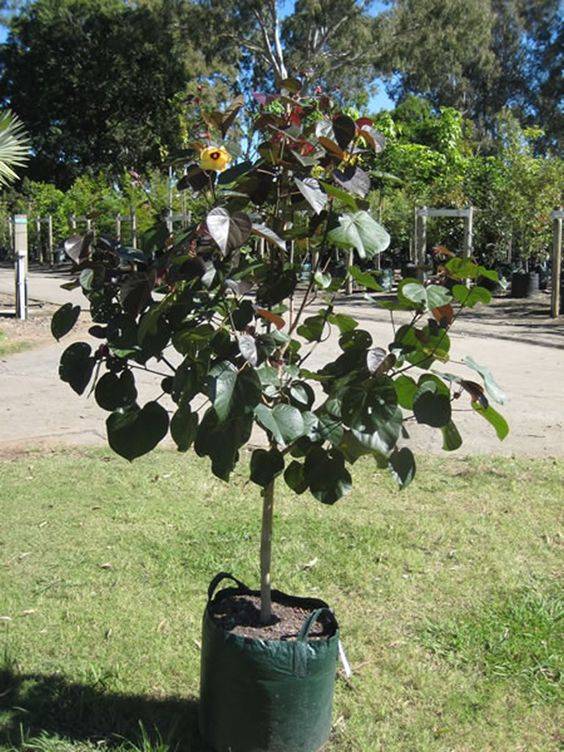
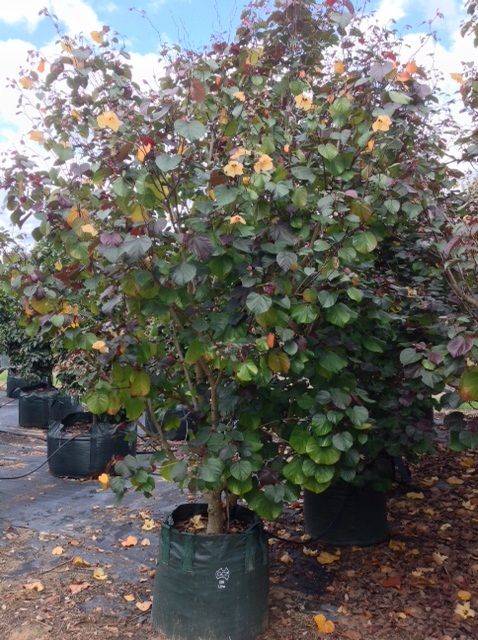
Hibiscus tiliaceus
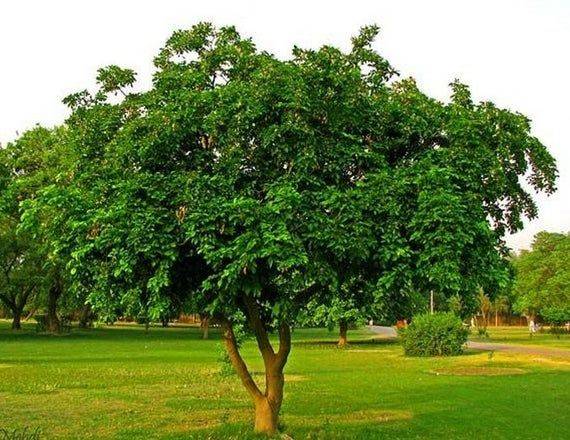
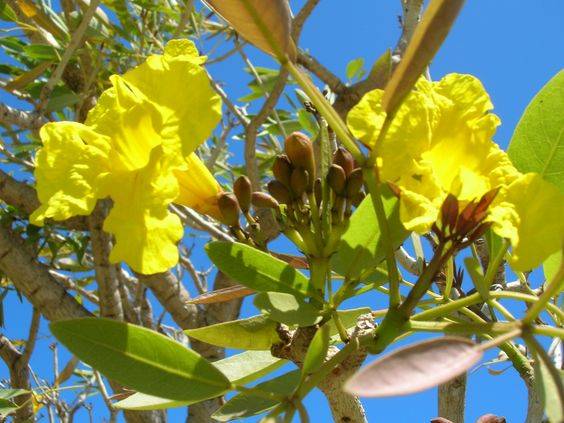
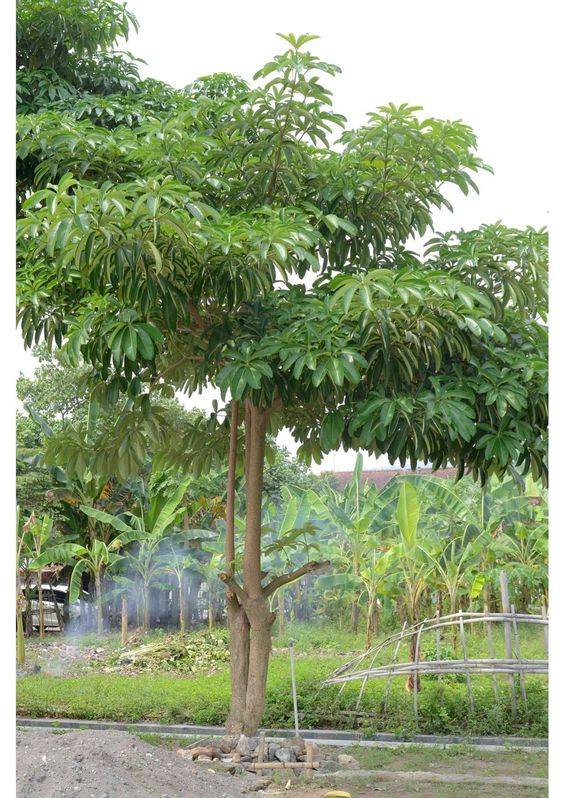
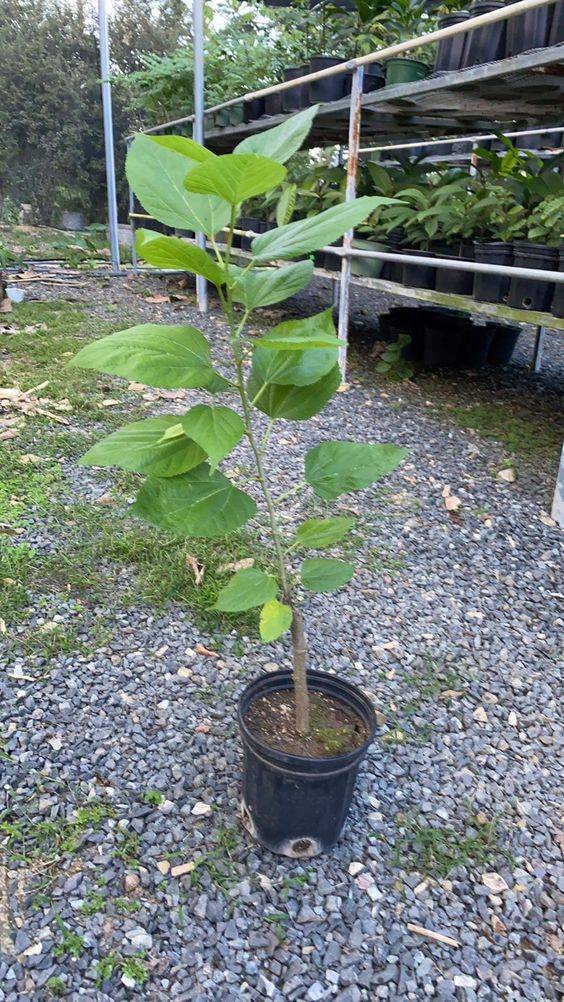
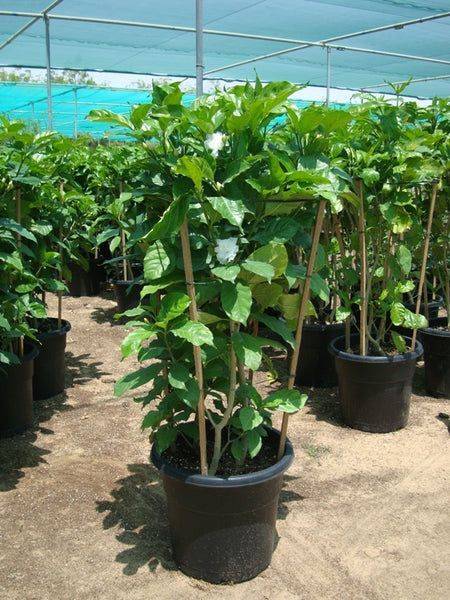
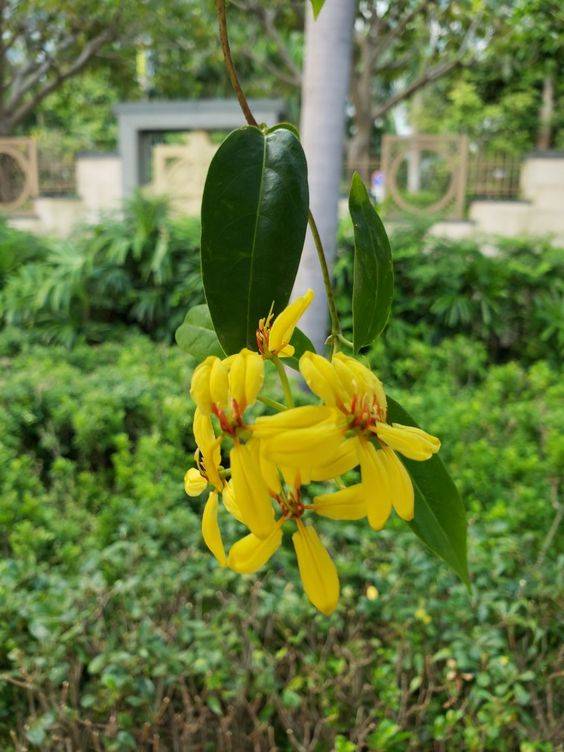
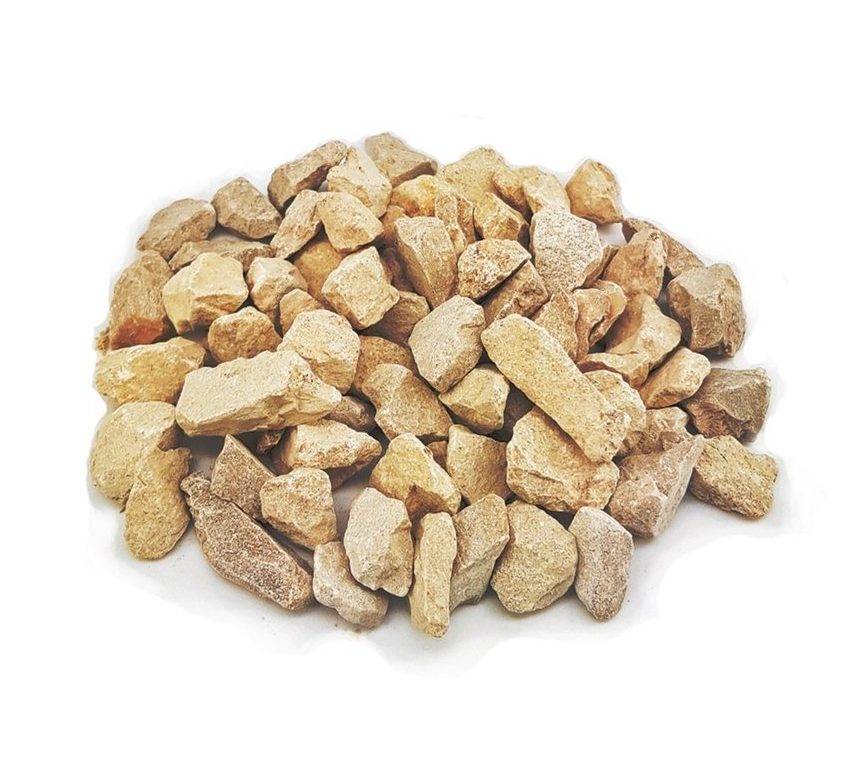
Hibiscus tiliaceus, also known as the sea hibiscus or coast cottonwood, is a species of flowering tree in the mallow family, Malvaceae. It has a pantropical distribution along coastlines and has been introduced to Florida and New Zealand. The plant is commonly found growing on beaches, by rivers, and in mangrove swamps. It is well adapted to grow in coastal environments as it tolerates salt and waterlogging and can grow in quartz sand, coral sand, marl, limestone, and crushed basalt. The tree can grow up to 15 meters tall with a trunk diameter of up to 50 cm. The leaves are heart-shaped with a pointed tip and are 10-20 cm long. The flowers are yellow with a red center and are 7-10 cm wide. The fruit is a capsule that is 2-3 cm long and contains many seeds. The plant has many common names including sea hibiscus, beach hibiscus, coastal (or coast) hibiscus, coastal (or coast) cottonwood, green cottonwood, native hibiscus, native rosella, cottonwood hibiscus, kurrajong, sea rosemallow and dhigga (Maldivian). The plant was introduced by Austronesian peoples that voyaged across Southeast Asia and Oceania as a source of wood and fiber.
- Watering: The plant prefers moist soil but can tolerate periods of drought. Water the plant regularly during the growing season and reduce watering during winter.
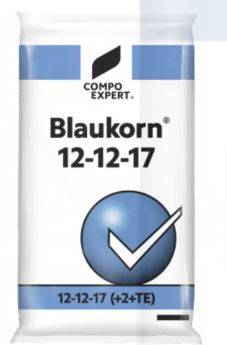
- Fertilizing: Fertilize the plant with a balanced fertilizer once every 2-3 months during the growing season.
- Pruning: Prune the plant to maintain its shape and size. Pruning also encourages new growth and flowering.
- Pest control: The plant is generally pest-resistant but can be affected by mealybugs, scale insects, and spider mites. Use insecticidal soap or neem oil to control pests.
Hibiscus tiliaceus is a low-maintenance plant that is well adapted to grow in coastal environments. It tolerates salt and waterlogging and can grow in various types of soil. Here are some tips for caring for Hibiscus tiliaceus:
Review
Related products







Contact Info
- Address: Love gardens LLC , nursery warsan 3, Dubai
- Phone: +971 554899462
- Email: [email protected]