
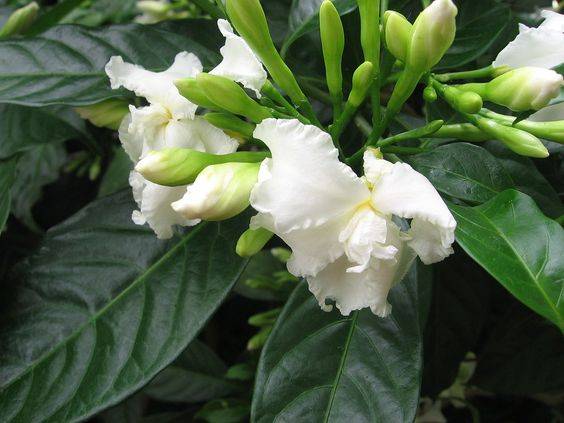
Tabernaemontana divaricata




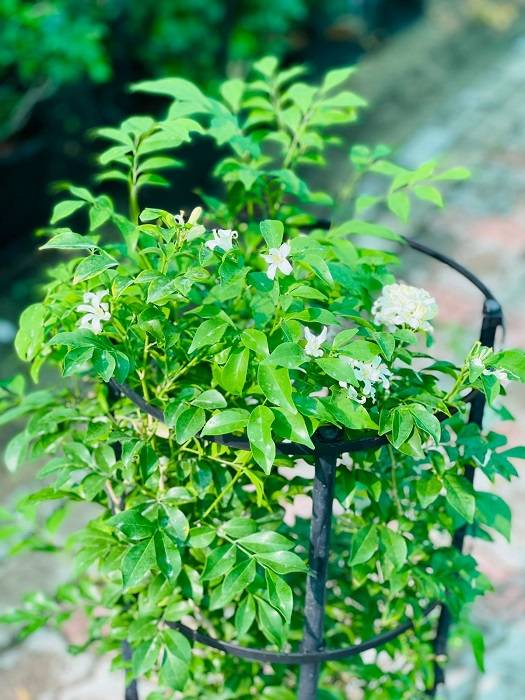
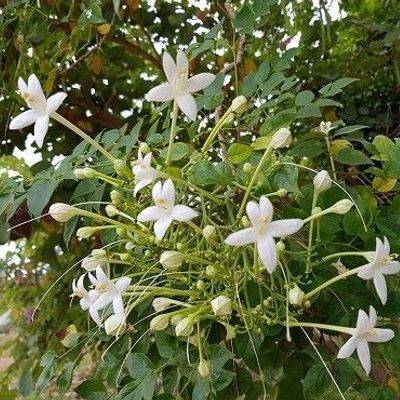
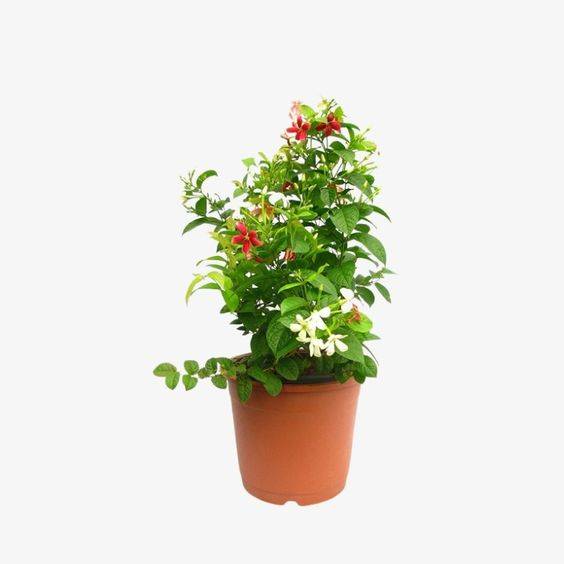
Tabernaemontana divaricata, commonly known as pinwheel flower, crape jasmine, East India rosebay, and Nero’s crown, is an evergreen shrub or small tree native to South Asia, Southeast Asia, and China. The plant grows up to 1.5-1.8 meters tall and is dichotomously branched. The large shiny leaves are deep green and about 15 cm long and 5 cm wide. The waxy blossoms are found in small clusters on the stem tips. The (single) flowers have the characteristic ‘pinwheel’ shape also seen in other genera in the family Apocynaceae such as Vinca and Nerium. Both single and double-flowered forms are cultivated, the flowers of both forms being white. The plant blooms in spring but flowers appear sporadically all year. The flowers have a pleasing fragranc. The species is known to produce many alkaloids including catharanthine, coronaridine, dregamine, ibogamine, tabersonine, voacangine, voacamine, and voacristine. It is also known for its medicinal properties and is used to treat various ailments such as skin diseases, fever, and digestive problems.
Light: Tabernaemontana divaricata prefers full sun to partial shade. When growing it indoors, place it in a sunny spot to give it the required 6-7 hours of sunlight.
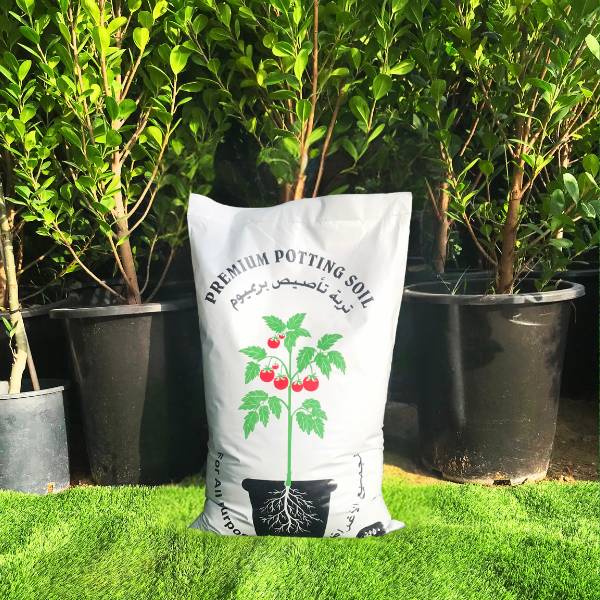
Soil: The plant prefers moist, well-drained soil, rich in organic matter. But once established, it may survive with little water. It thrives in acidic soil but fertilizer may be required for optimal results. Mulching the plant base will keep the soil moist and prevent it from drying out.
Water: Water the Tabernaemontana divaricata plant frequently as it likes moist soil. You may need to water the plant daily in the early stages and less once it takes roots, allowing the soil to dry out between waterings.
Fertilizer: Like all flowering plants, Tabernaemontana divaricata needs phosphorus and nitrogen to ensure healthy and lush foliage. Feed your plant every two weeks during the growing season with a balanced liquid fertilizer.
Pests: The plant is susceptible to mealybugs and spider mites. Check your plant regularly for signs of infestation and treat with an insecticide if necessary.
Here are some step-by-step instructions for taking care of Tabernaemontana divaricata:
Review
Related products





























































Contact Info
- Address: Love gardens LLC , nursery warsan 3, Dubai
- Phone: +971 554899462
- Email: [email protected]