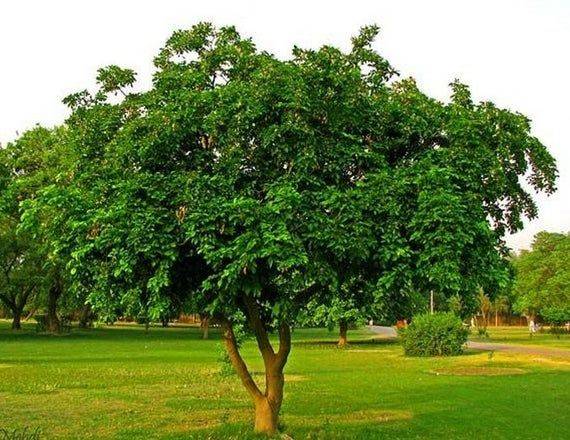
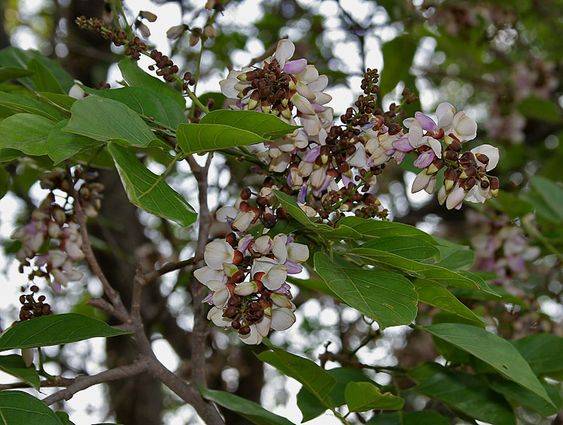
Pongamia glabra
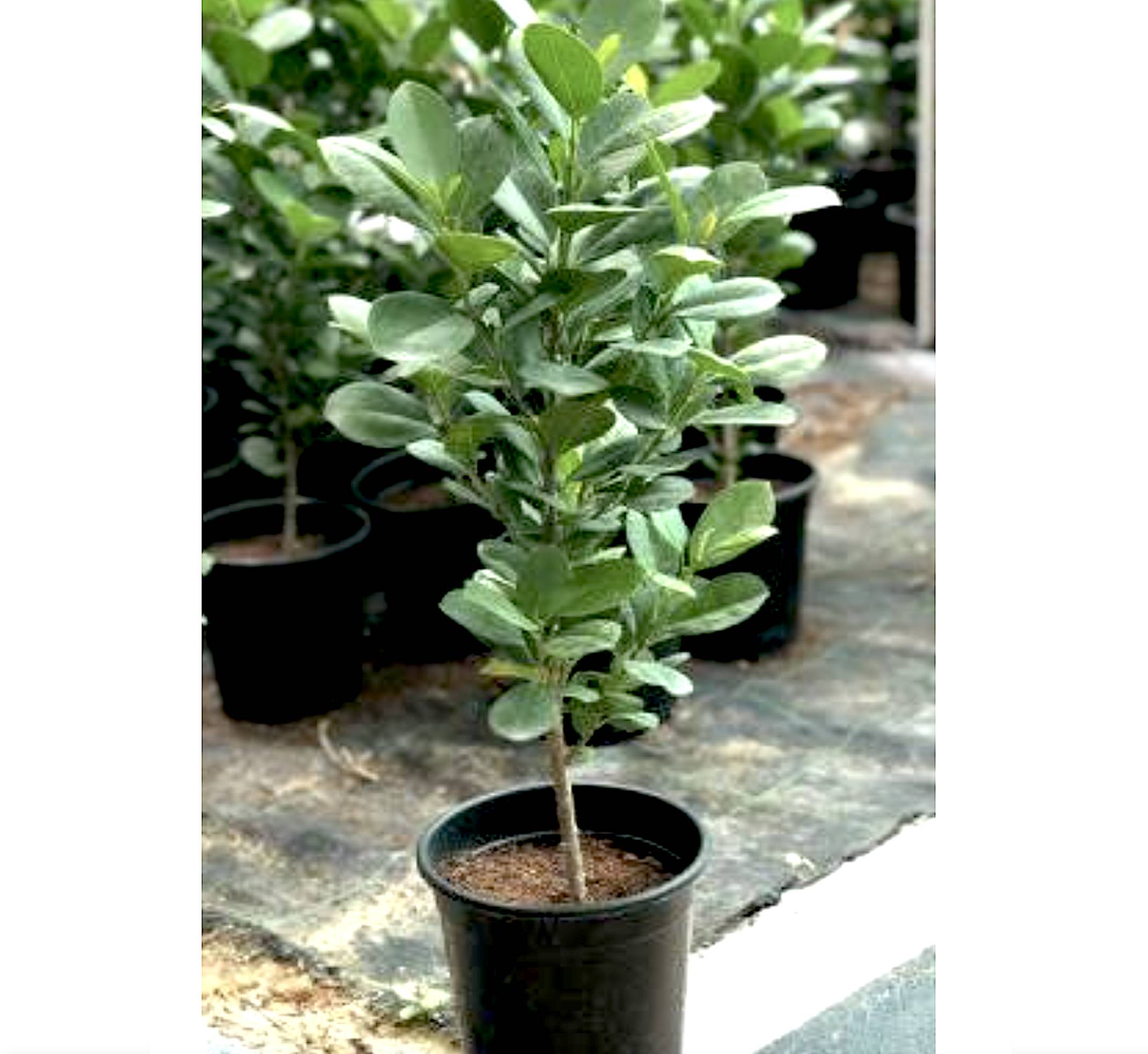
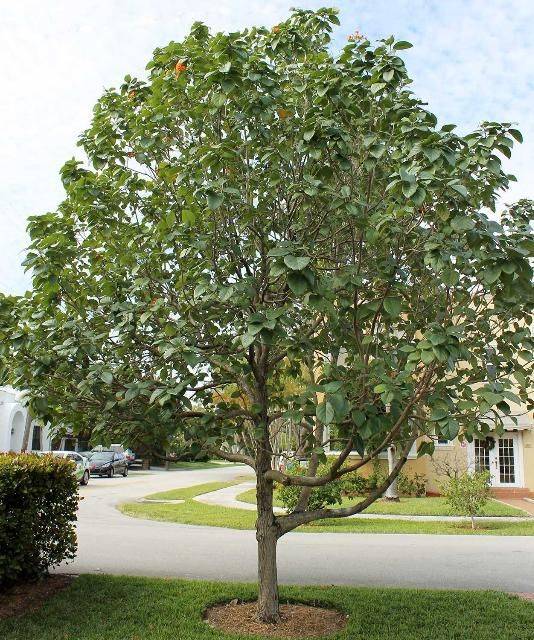
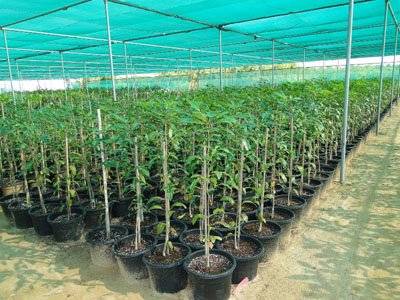
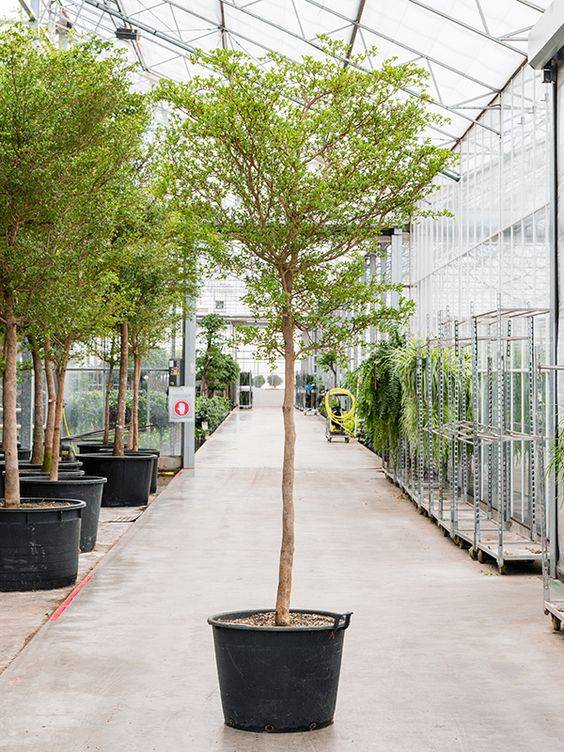
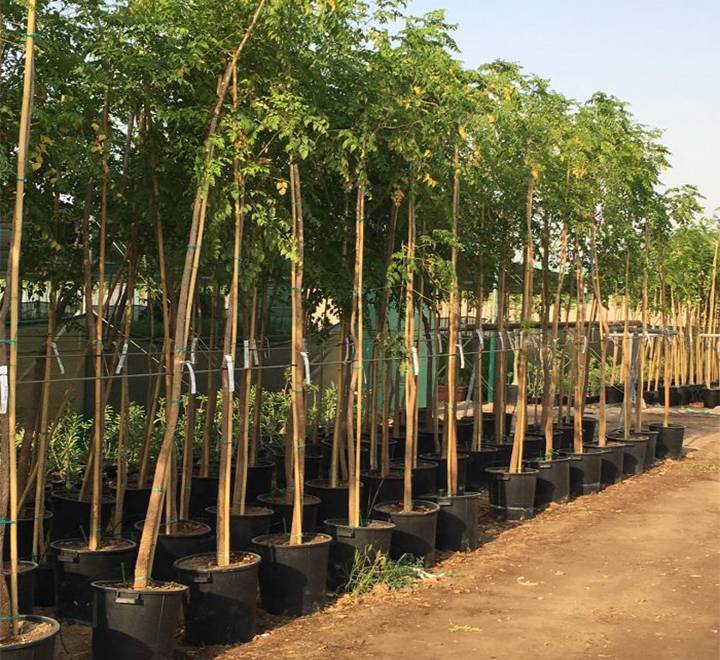
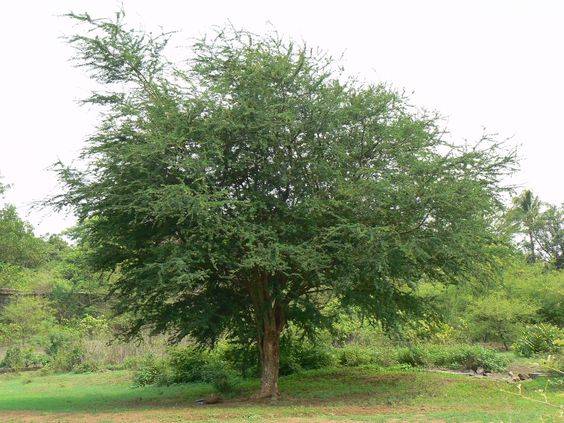
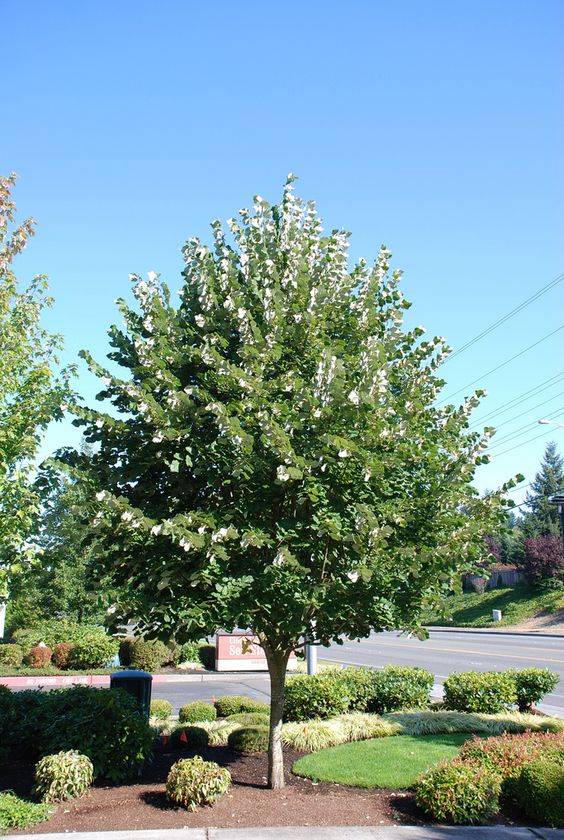
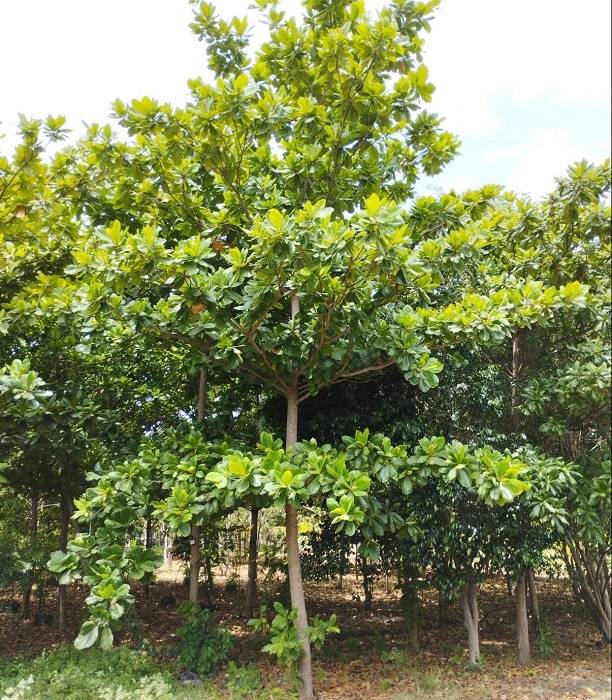
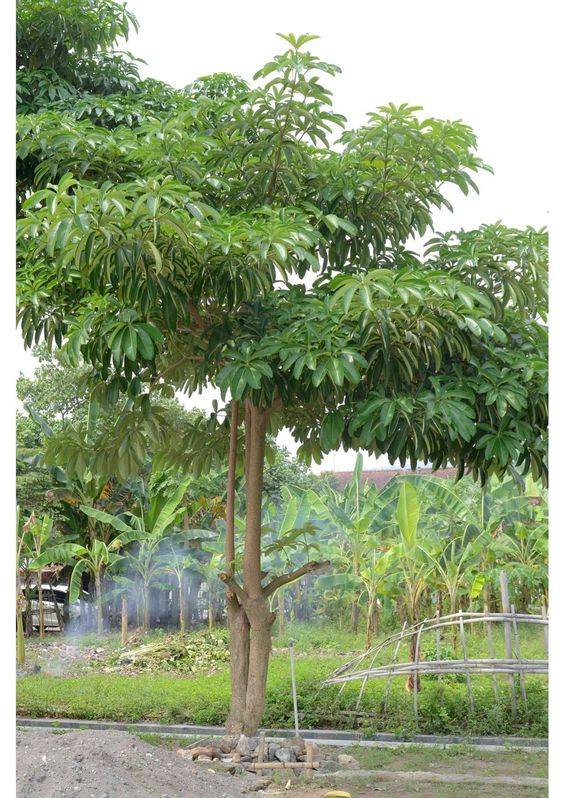
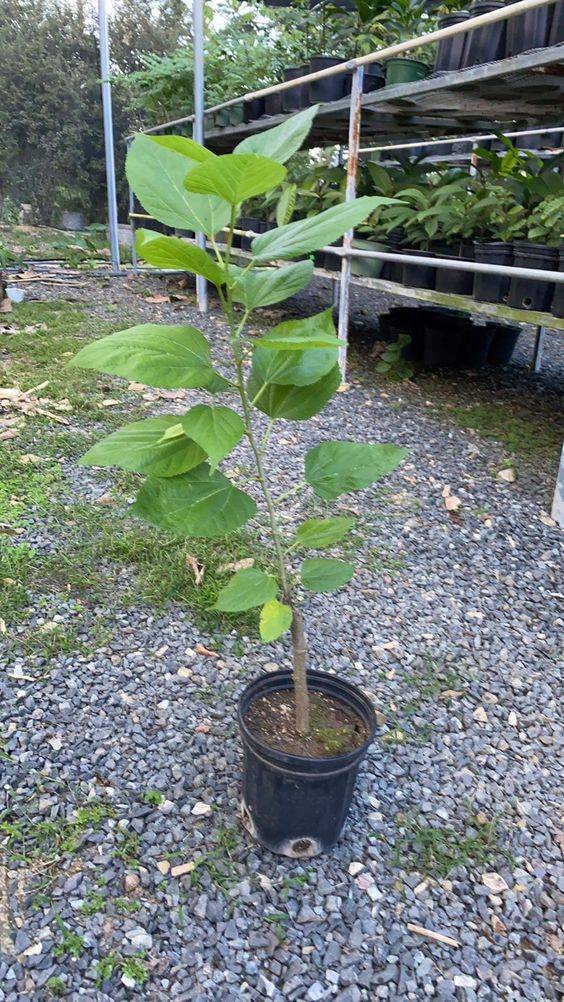
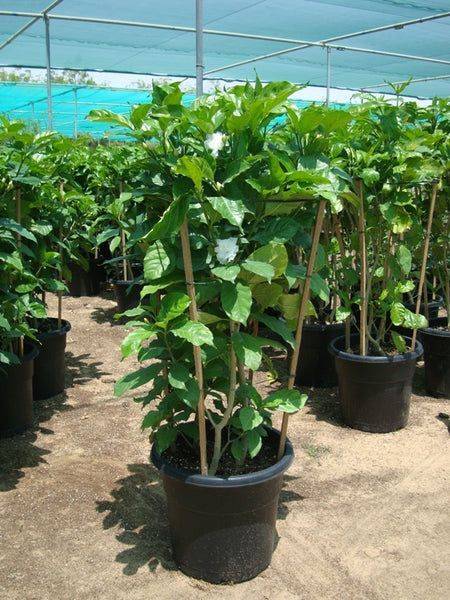
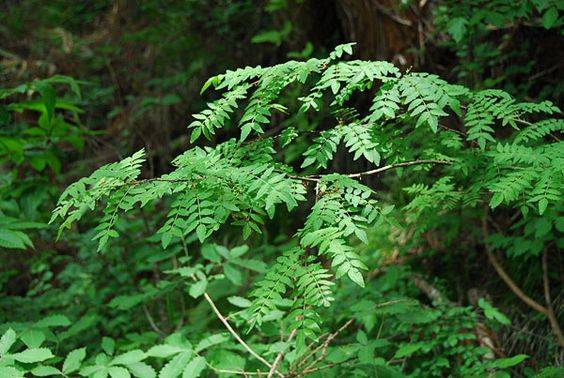
Pongamia glabra is a synonym for Pongamia pinnata, a species of tree in the pea family, Fabaceae, native to eastern and tropical Asia, Australia, and the Pacific islands. It is often known by the common names Indian beech and Pongame oiltree. The tree grows to about 15–25 m (50–80 ft) in height with a large canopy that spreads equally wide. It has a straight or crooked trunk, 50–80 cm (20–30 in) in diameter, with grey-brown bark, which is smooth or vertically fissured. Its wood is white colored. The imparipinnate leaves of the tree alternate and are short-stalked, rounded, or cuneate at the base, ovate or oblong along the length, obtuse-acuminate at the apex, and not toothed on the edges. They are a soft, shiny burgundy when young and mature to a glossy deep green as the season progresses with prominent veins underneath. The raceme-like inflorescences bear two to four flowers that are strongly fragrant and grow to be 15–18 mm (0.59–0.71 in) long. The brown seed pods appear immediately after flowering and mature in 10 to 11 months. The pods are thick-walled, smooth, somewhat flattened, and elliptical but slightly curved with a short curved point. The seeds are about 1.5–2.5 cm (0.59–0.98 in) long with a brittle oily coat and are unpalatable in natural form to herbivores.
- Plant Pongamia glabra in well-drained soil that is rich in organic matter. The soil pH should be between 6 and 6.5.
- Pongamia glabra requires a sunny location that is sheltered from strong winds.
- Water the plants regularly, especially during dry spells. Pongamia glabra doesn’t like to be waterlogged, so make sure the soil drains well.
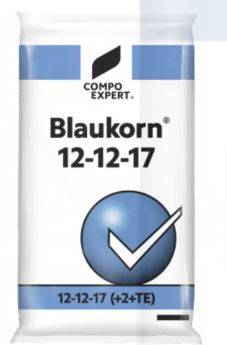
- Fertilize the plants every two weeks with a balanced fertilizer that contains nitrogen, phosphorus, and potassium.
- Prune the plants regularly to remove dead or damaged leaves and to promote new growth.
- Protect the plants from pests such as aphids, mealybugs, and spider mites by using insecticidal soap or neem oil.
Here are the step-by-step instructions to grow and care for Pongamia glabra:
Review
Related products





Contact Info
- Address: Love gardens LLC , nursery warsan 3, Dubai
- Phone: +971 554899462
- Email: [email protected]