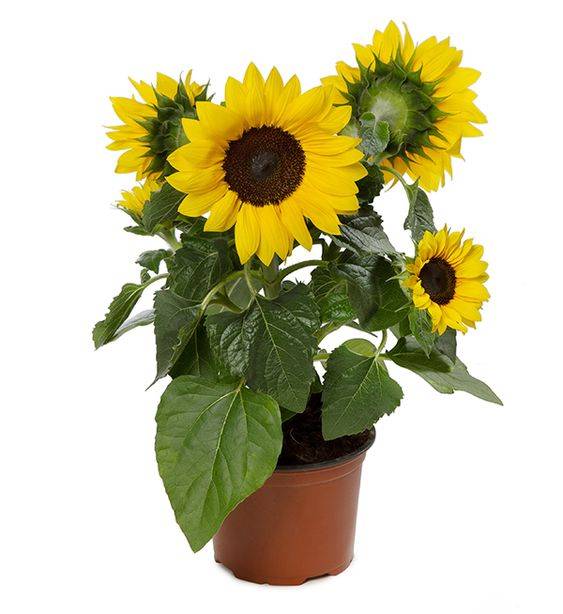
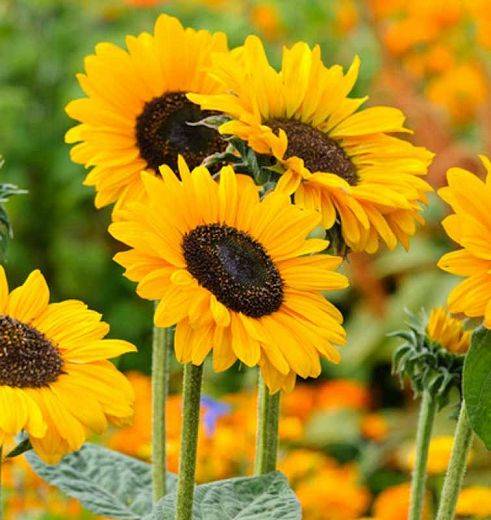
Helianthus annuus (common sunflower)
Helianthus annuus, commonly known as the common sunflower, is a species of large annual forb of the genus Helianthus. It is commonly grown as a crop for its edible oily seeds. Apart from cooking oil production, it is also used as livestock forage (as a meal or a silage plant), as bird food, in some industrial applications, and as an ornamental in domestic gardens. The plant has an erect rough-hairy stem, reaching typical heights of 3 meters (10 feet). The tallest sunflower on record achieved 9.17 meters (30 feet 1 inch). Sunflower leaves are broad, coarsely toothed, rough and mostly alternate; those near the bottom are largest and commonly heart-shaped. The plant flowers in summer. What is often called the “flower” of the sunflower is actually a “flower head” (pseudanthium), 7.5–12.5 centimeters (3–5 inches) wide, of numerous small individual five-petaled flowers (“florets”). The outer flowers, which resemble petals, are called ray flowers. Each “petal” consists of a ligule composed of fused petals of an asymmetrical ray flower. They are sexually sterile and may be yellow, red, orange, or other colors. The spirally arranged flowers in the center of the head are called disk flowers. These mature into fruit (sunflower “seeds”).
- Plant sunflowers in the spring after the garden soil has warmed to at least 55 degrees Fahrenheit.
- Sunflowers require a sunny location and well-drained soil. Select an area sheltered from strong winds that might topple these tall plants if possible.
- It can be helpful to plant sunflowers in groups to support each other against wind and rain. Growers often have to stake their sunflowers, especially the tall varieties, to keep them growing upright. The plants can become very top-heavy when in bloom.
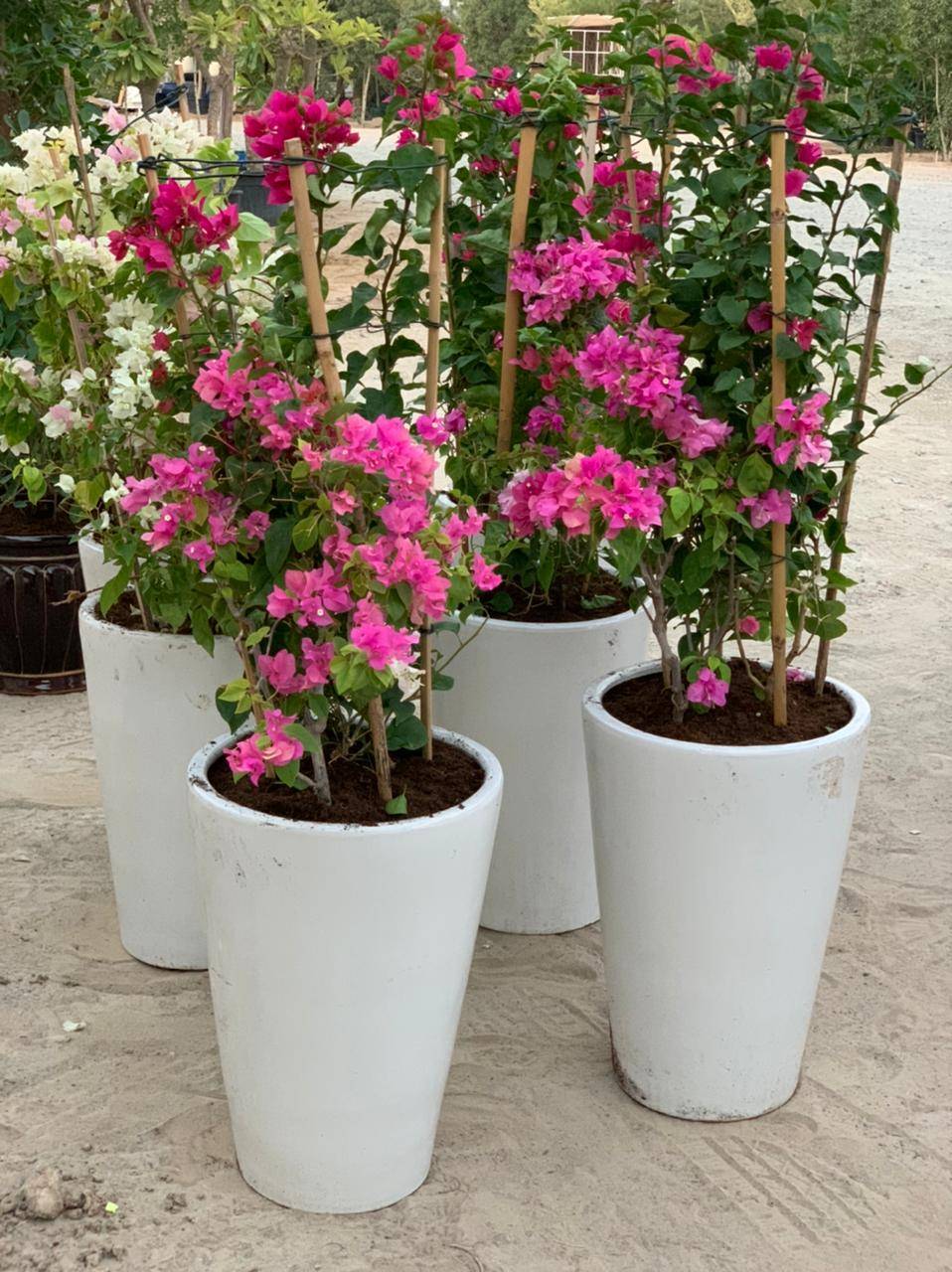
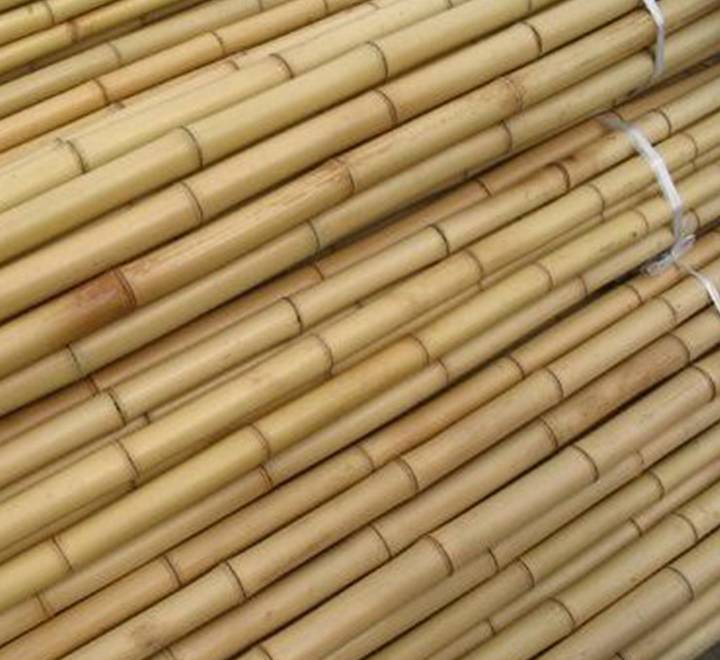
- Planting sunflowers along a fence is the easiest way to stake them. Bamboo stakes are also strong enough to keep them upright. Use care when inserting the stakes so you don’t damage the plant’s roots.
- Sunflowers don’t like to compete with weeds, so keep the garden clean. Mulching around your sunflowers will help maintain soil moisture and weed suppression.
- Sunflowers typically begin blooming in mid-summer and can persist into early fall. The flowers, which stretch around 3 to 6 inches across on average, have a broad central disk surrounded by short, yellow petals.
Here are the step-by-step instructions to grow and care for Helianthus annuus:
Review
Related products




Contact Info
- Address: Love gardens LLC , nursery warsan 3, Dubai
- Phone: +971 554899462
- Email: [email protected]